

For centuries, people have been fascinated by the possibility of living longer lives. But beyond the numbers and records are the individuals who have experienced more than a century of change, from major historical events to generations of personal milestones. Supercentenarians offer a unique window into the many factors that shape human longevity, revealing stories of resilience, purpose and perseverance.
We’re exploring what makes supercentenarians so rare, how their ages are verified and what they can teach us about aging and the human experience.
What Is a Supercentenarian?
A supercentenarian is a person who has reached the age of 110 or older; a milestone achieved by only a tiny fraction of the global population.
At any given time, there are typically only a few hundred verified living supercentenarians worldwide, making them one of the rarest demographic groups on Earth. And because claims of exceptional longevity require careful documentation, organizations like LongeviQuest use rigorous age-validation methods to confirm each case.
What Supercentenarians Reveal About the Human Lifespan
Verified supercentenarians, including Tomiko Itooka and Jeanne Calment, provide researchers with invaluable opportunities to better understand extreme age. This includes:
- How mortality changes at older ages
- How genetic, biological, environmental and lifestyle factors may influence lifespan
- How more than a century of life experiences may shape aging
- The potential limits of the human lifespan
These insights, however, depend on accurate data rather than anecdotal reports, which is why rigorous age verification is essential.
Validated records help distinguish evidence-based findings from myths and unverified claims, providing researchers with a trustworthy foundation for studying exceptional longevity. This commitment to scientific accuracy enables more meaningful discoveries about aging and the remarkable individuals who have lived longer than almost anyone else in history.
The Different Stages of Extreme Longevity
Living past 100 is an extraordinary achievement, but the journey doesn’t end there. As each birthday passes beyond the century mark, longevity becomes increasingly rare. That’s why researchers classify exceptional longevity into distinct age groups:
Centenarian (100+)
A centenarian is someone who has reached 100 years of age or older. Although the number of centenarians has grown in recent decades thanks to improvements in healthcare and living conditions, reaching 100 remains a remarkable milestone.
Semi-Supercentenarian (105+)
People who reach the age of 105 or older are known as semi-supercentenarians. This milestone marks a significant jump in rarity, as survival rates decline sharply after age 100. Studying this smaller population helps researchers distinguish exceptional longevity from more common patterns of aging.
Supercentenarian (110+)
Those who reach 110 years of age or older are classified as supercentenarians. This represents the highest widely recognized longevity category, with only a small number of verified individuals alive worldwide. Their extreme old age continues to provide a look into the possibilities and limits of human longevity.

María Branyas Morera smiling at her 116th birthday party.
How Rare Are Supercentenarians?
At any given time, only around 300 to 500 verified supercentenarians are living worldwide — a tiny number compared to the more than eight billion people on Earth. This means reaching age 110 is not simply uncommon; it represents one of the rarest milestones in human longevity. And each verified case offers a rare opportunity to learn more about the boundaries of the human lifespan.
A Live Look at Supercentenarians Worldwide
Exceptional longevity is constantly evolving as new cases are verified and records are updated. The LongeviQuest database provides a real-time view of verified living supercentenarians worldwide, allowing users to explore where the world’s oldest people live and learn more about their remarkable lives. Through the interactive map and database, you can:
- Explore current verified supercentenarians
- Discover their geographic distribution
- View key details about these remarkable individuals
These insights offer a deeper understanding of global longevity patterns while supporting greater transparency in research.
How Are Supercentenarians Verified?
Verifying a supercentenarian’s age requires far more than a single document or personal account. Because age exaggeration and incomplete historical records can occur, every claim must be carefully reviewed to ensure its accuracy.
The LongeviQuest Global Validation Commission follows a rigorous, evidence-based process to authenticate exceptional ages. To build a reliable timeline of an individual’s life, researchers examine and cross-reference:
- Birth certificates
- Census records
- Family documents
- Other historical sources
This meticulous approach ensures that every validated supercentenarian is documented to the highest scientific standards, providing researchers and the public with more accurate, trustworthy data.
The Most Common Traits and Habits of Supercentenarians
Research suggests that exceptional longevity is shaped by a combination of biological, social and lifestyle factors. While patterns aren’t guarantees, a review published in the Journal of Aging Research identified several traits that frequently appear among verified supercentenarians:
- A strong sense of purpose: A clear sense of meaning, whether through family, work, faith or personal passions, is a recurring theme in many longevity stories.
- Consistent daily routines: Familiar habits can provide stability and structure. Regular routines often remain part of daily life well into older age.
- A balanced approach to food: Rather than following strict diets, supercentenarians often describe simple eating habits centered on moderation and traditional, minimally processed foods.
- Lifelong activity and engagement: Staying physically, mentally and socially active is another common thread. Meaningful work, hobbies and everyday responsibilities help keep both the mind and body engaged.
- Resilience through challenges: From personal loss to major historical events, many supercentenarians have faced significant hardships. Their ability to adapt and persevere stands out across countless life stories.
- Strong social connections: Close relationships with family, friends and communities provide support, companionship and a lasting sense of belonging.
- Effective stress management: Although no one lives without stress, many supercentenarians demonstrate an ability to maintain perspective, adapt to change and navigate life’s challenges with resilience.
Highlighting What Individual Lives Reveal
Behind every verified supercentenarian is a lifetime of experiences, challenges and moments that reveal the person behind the milestone.
Take Tomi Ōno, a 112-year-old resident of Yamanashi Prefecture, Japan. After living through World War II and later sharing her memories with younger generations, Ōno continued to embrace creativity and independence well into her 100s, enjoying activities like calligraphy and sewing. Her family describes her as strong-willed, honest and determined to live according to her own values.
Another example is Yoshi Yamamoto, a Japanese supercentenarian from Hokkaido who celebrated her 112th birthday surrounded by loved ones. Throughout her life, Yamamoto balanced family responsibilities, farming and caring for future generations. Even in her later years, she remained engaged with her community, enjoying music, activities and dance programs.
While each supercentenarian’s journey is unique, their stories often share common themes like resilience, purpose, connection and a continued curiosity about life.
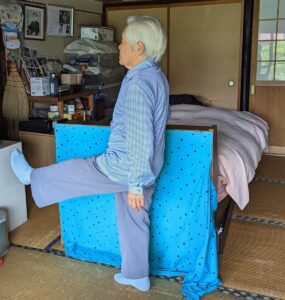
Shitsui Hakoishi exercising at age 108
What We Can Learn From Supercentenarians
The lives of supercentenarians remind us that there’s no single path to exceptional longevity. While genetics and biology play important roles, the experiences of verified individuals suggest that living to extraordinary ages is shaped by a combination of factors built over a lifetime — from meaningful relationships and daily routines to resilience, purpose and adaptability.
Rather than pointing to one specific habit or intervention, their stories highlight the value of small, consistent choices that support well-being over time. Many supercentenarians demonstrate qualities such as optimism, perseverance and the ability to navigate life’s challenges with perspective.
Although reaching age 110 or beyond remains exceptionally rare, these remarkable lives offer valuable insights into the habits and mindsets that can influence how we age and thrive.
Supercentenarians FAQs
What is the oldest verified human age?
The oldest verified person in history is Jeanne Calment of France, who lived to 122 years and 164 days. Her record has been carefully reviewed and validated through historical documentation, making her the confirmed oldest living person ever.
Which countries have the most supercentenarians?
Verified supercentenarians have been identified around the world, with countries such as Japan, the United States, France, the United Kingdom and Italy among those with the largest documented populations.
Differences in population size, recordkeeping practices and longevity research efforts all influence where the most cases are identified.
Are most supercentenarians women or men?
According to a Boston University study, 85% of centenarians are women, and this prevalence only increases for supercentenarians. Researchers continue to explore the reasons behind this difference, with factors such as genetics, biology, lifestyle and social influences all potentially contributing to women’s higher representation among the world’s oldest people.
What is the difference between a verified and an unverified supercentenarian?
A validated supercentenarian has had their age confirmed through a detailed review of historical records, including documents such as:
- Birth certificates
- Census records
- Other official sources
An unverified supercentenarian may have a reported age of 110 or older, but there’s not yet enough documentation to confirm the claim.
Do supercentenarians follow one special diet?
There’s no single diet or lifestyle pattern shared by all supercentenarians. Many factors likely contribute to extreme old age, including:
- Genetics
- Environment
- Social connections
- Daily habits
While some supercentenarians have followed diets centered on whole, minimally processed foods, research has not identified a specific eating pattern that explains reaching extreme ages.
Making Sense of the World’s Oldest Lives
Every supercentenarian story represents a rare chapter in human history — one shaped by decades of experiences, challenges, relationships and resilience. By studying these remarkable individuals through verified records and personal stories, researchers can continue uncovering new insights into the many factors that influence longevity. LongeviQuest brings these discoveries together through its LongeviQuest database, offering a trusted resource for exploring the lives of the world’s oldest people.
Want to learn more? Discover verified longevity records, explore your own Longevity Score, or help advance longevity research by submitting a claim about a potential supercentenarian.