
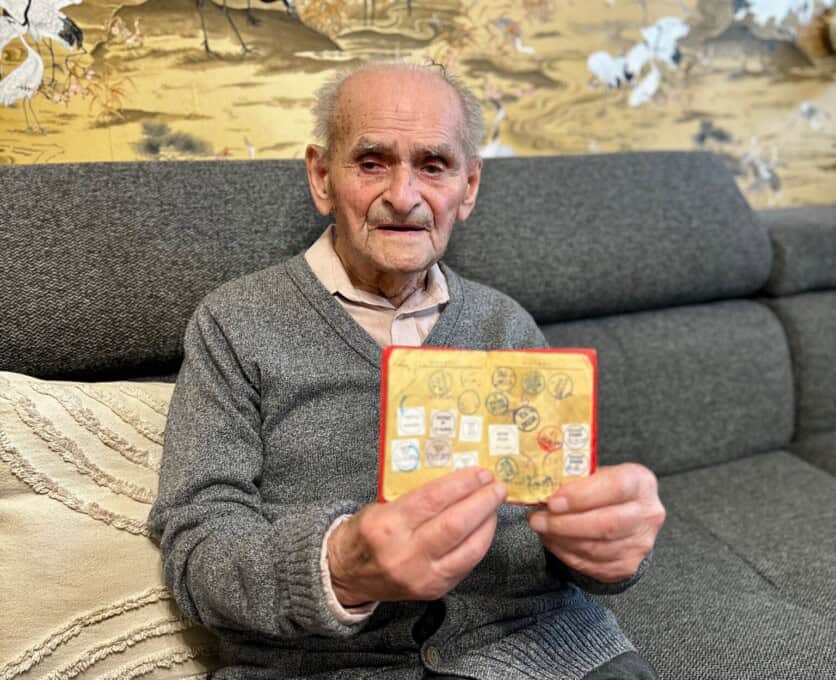
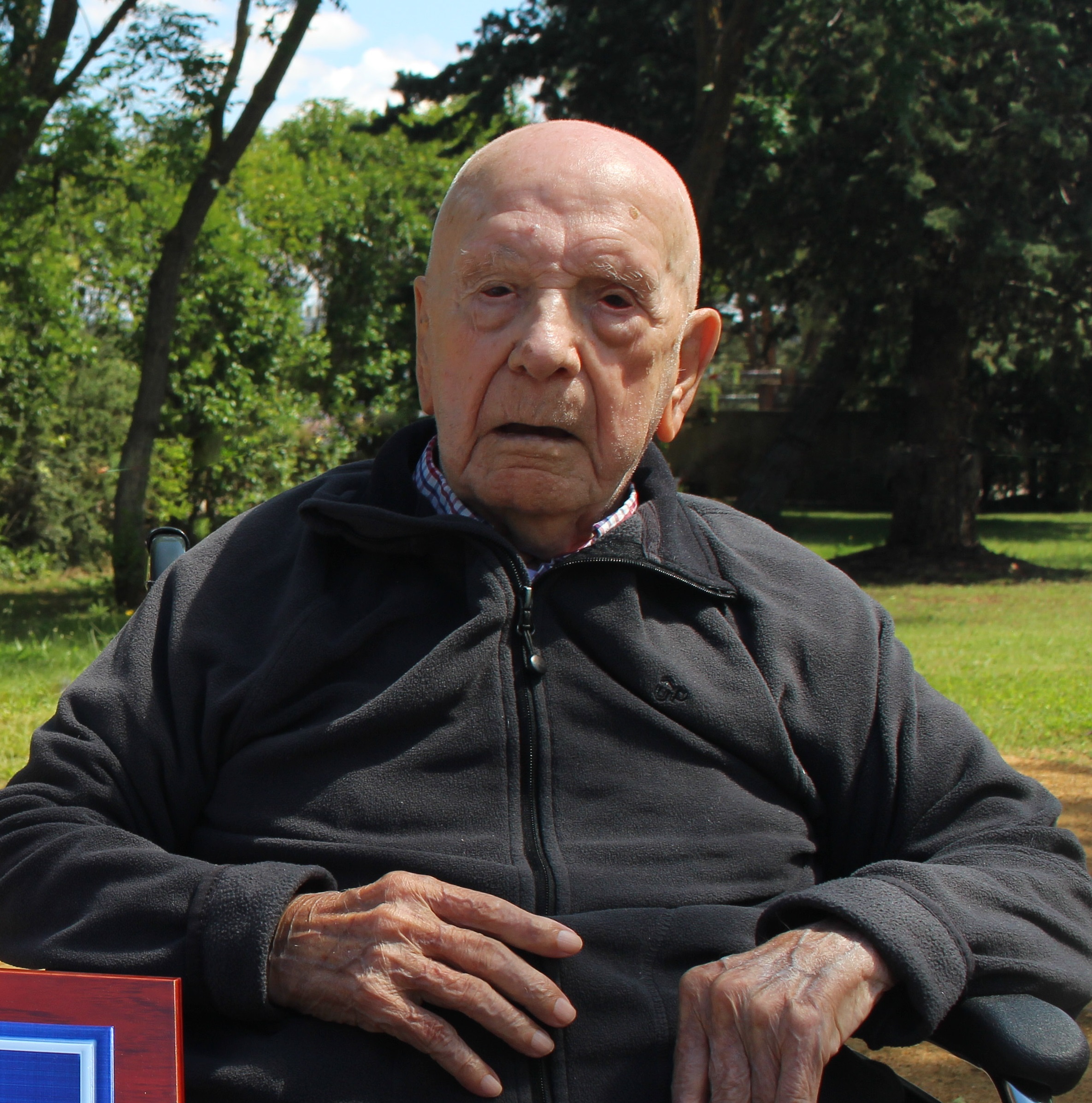
Iosif Rus is a Romanian supercentenarian who is currently the nation’s second-oldest living man.
BIOGRAPHY
Iosif Rus was born in the locality of Ghiolt in Țaga, Cluj County, Romania, on 28 October 1915. His father was taken prisoner in Siberia during World War I, and his mother passed away on Pentecost in 1918, when he was two and a half years old. He had three older siblings. His father returned from Russia in November 1918 and later remarried, having two more children with his second wife. His stepmother died in 1974, and his father in 1978, at the age of 95.
At the age of seven, he began primary school—four years after the Great Union of 1 December 1918—since it had taken time for a Romanian school to be established in the area. In 1927, he continued his studies in Cluj at the Normal School, after passing a demanding entrance exam.
He studied in Cluj for three years, but in 1930, due to financial difficulties, his father brought him back home to Gherla, where he continued at the Normal School for Boys and eventually graduated. What he regretted most after leaving Cluj was losing his violin teachers—only one or two of his classmates in Gherla played the instrument. Because of his musical talent, upon graduation, the school headmaster—who also served as a priest at the Gherla Penitentiary—appointed him as a teacher for the young inmates there.
After completing his military service between 1937 and 1938, Rus worked as a substitute teacher in two localities: Groape, near Târgu Lăpuş, and a village near Ileanda. His official appointment from the Ministry of Education, however, was to the commune of Baciu in Braşov County. In 1939, he was involuntarily reassigned to the Gherla Penitentiary. The following year, with the start of World War II, he was mobilized by the army and sent with his regiment to the country’s western border, where he remained until the Vienna Dictate of 30 August 1940.
After spending two years at home in Baciu, near Braşov, he was mobilized in 1942 to the 95th Infantry Regiment in Turnu Severin to begin war preparations alongside the German army—training that lasted about a month. He then set out with his unit toward the Caucasus. At one point, he was wounded in the hip and, together with his unit captain—who was also injured—was transferred to a German unit stationed in a remote village. From there, they were transported by car to Crimea, where he received treatment in a Romanian hospital. For more specialized care, he was later sent to Bucharest, arriving on Good Friday in 1943.
After the Americans bombed Turnu Severin six times on Easter night in 1944, he was not sent to the Western Front against the Germans. Instead, he was appointed head of a warehouse in Turnu Severin, responsible for managing goods captured by the Romanians in Transnistria. He later recalled that his work there consisted mainly of inventorying sewing machines, refrigerators, grain, livestock, and various other items brought to the facility. At the end of the war, he returned to Severin in June 1945.
He married his wife, Eugenia, whom he had first met in her hometown of Ocna Mureş while passing through with the army. They reunited many years later and were married in 1954. The couple did not have children together; Eugenia had a son from a previous relationship. He was widowed in 1988.
RECOGNITION
His age has not been validated.
ATTRIBUTION
* “Iosif Rus, profesorul din Gherla de 101 ani, care a trecut prin război cântând la vioară!” – Gazeta de Bistrita, 24 April 2017
* “Veteranul de război Iosif Rus a împlinit 106 ani” – Glasul Cetatii, 30 October 2021
* “Nicușor Dan l-a decorat pe veteranul de război Iosif Rus, care împlinește astăzi 110 ani” – Digi24, 28 October 2025
GALLERY
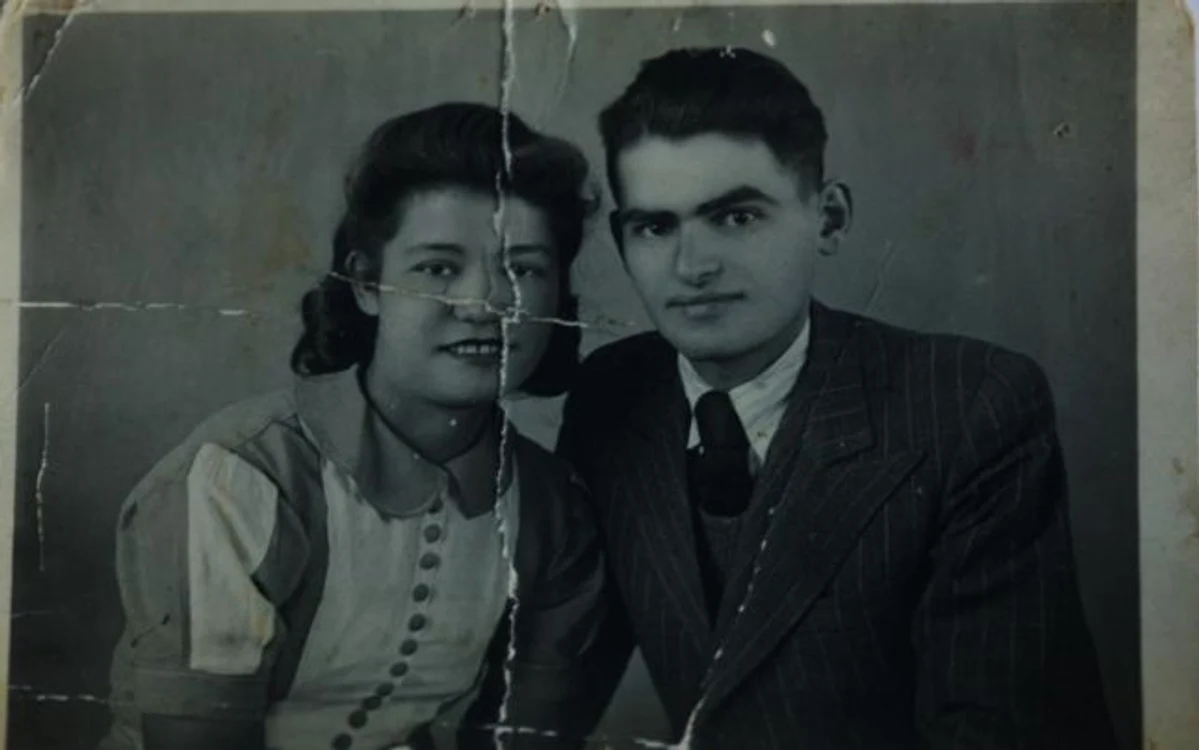
(Source: adevarul.ro)

On her 110th birthday. (Source: Cluju)
RELATED PROFILES
Related posts:
[crp limit='4' ]